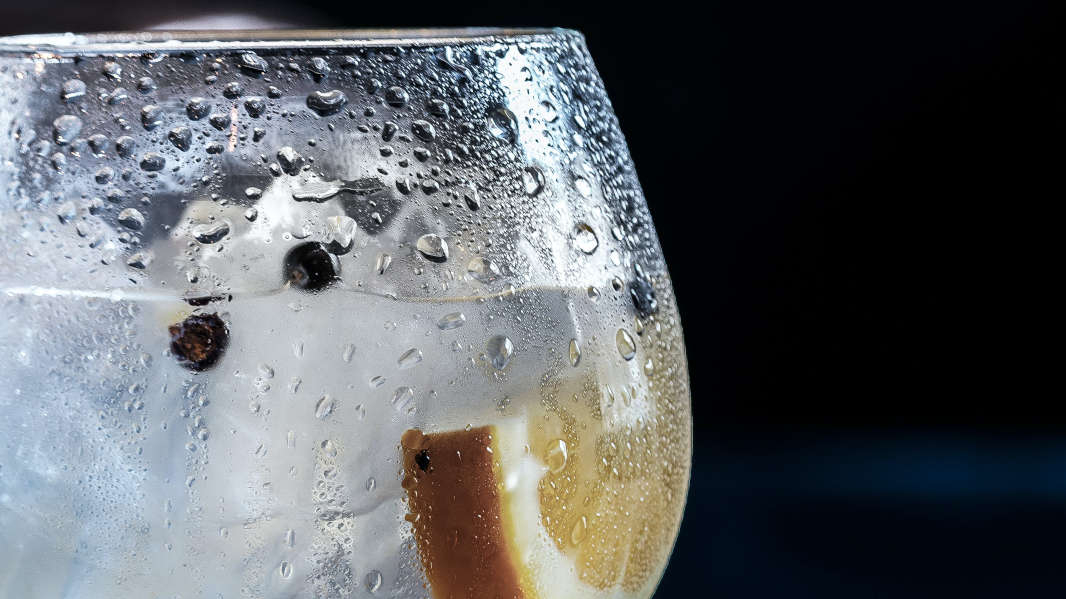
Alcohol and keto


I get a lot of questions about alcohol on a keto lifestyle. Quite a few people worry about this particular issue for two reasons:

  • does alcohol have a negative effect on weight loss while on keto?
  • if the first is the case…can I never ever drink alcohol again then?

The bottom line about alcohol and keto

There is a general idea I would like to ingrain on you first. Alcohol on the whole is not socially mandatory, it is always a personal choice. Nobody should feel pressured to drink alcoholic beverages. It should be something you actually enjoy and not be used as a coping mechanism. As such it is always okay to just say no without an explanation as to why. And keto without alcohol is perfectly fine and normal to do, if not the best choice for your health.

Here are some basic facts to keep in mind if you want to consume alcohol while following a keto lifestyle:

  • alcohol is best avoided in the early stages of your keto lifestyle and/or till you are keto adapted;
  • anyone with a serious medical condition, for example involving kidneys or the liver, should avoid using alcohol or at least discuss it first with their general practitioner;
  • moderation is key, not just because any drinks you may have need to fit your macros, you will also need to be aware of addiction patterns cropping up;
  • your alcohol tolerance is significantly lower on keto, or simply put: you get drunk faster on less;
  • avoid all high sugar alcoholic beverages and stick with the lowest carb drinks (have a look here);
  • regular alcohol consumption may indeed result in slower weightloss and might even stop it altogether: the body will always prefer to use alcohol over bodyfat for energy. If you find this is the case for you stop drinking for a while or drink less to see if that helps;
  • try to avoid drinking alcohol with very large meals;
  • if you decide to not drink any alcohol, do not make the mistake to switch to (diet) sodas; instead stick to flat or sparkling water, infused water (click here for some lovely ideas), (green) tea or coffee.
To learn more about alcohol and keto have a read here, here and here

About staying the keto course

This was written sometime in 2014, at the beginning of my keto “career”:

I recently got the question ‘Why does it matter so much to stay on track when you do keto? What is the harm of just letting go once in a while? Isn’t life for living, after all?’.

Now, I could have launched into a whole explanation of how getting kicked out of ketosis sets you back in a major way as it prevents you from becoming keto adapted, which is the ultimate goal. Instead, I suddenly remembered this piece I wrote a few years back.
I too felt at one point life was for living and had at times trouble adjusting to my new lifestyle. I am human too, right? But after slipping just a tad too much and having to deal with the consquences I decided to never think that way again.

Here are my thoughts on the subject from way back then:

“The other week the cashier at my local supermarket all of a sudden said to me ‘What do you do to stay so skinny? I guess you just don’t eat a lot, right?’

Right.

Wrong.

I shrugged, gave her a curt smile and rather annoyed muttered something along the lines of ‘I exercise a lot’. Which I do. But had this been someone I knew a bit better, and more importantly had I been in a better mood, I’d had given a more accurate explanation. Which would have included the terms Leaky Gut Syndrome, Irritable Bowel Syndrome, FODMAP intolerance and Raynaud’s. Which then would have led to a stunned expression on this poor woman’s face and a lot of aggravation in the line of waiting customers behind me. And trust me, you don’t want that at 8.40 on a Monday morning.

But there you have it. Four medical terms that as easily roll of the tongue as they are to type onto this screen. It took me a full year and plenty of tests at the hospital however to figure out that A yes I was indeed ill, B it was nothing conventional medicine could cure and C I’d have to do my own research, trial and error included. So I did.

Lots of reading, experimenting, working myself through scientific papers and seeking advice from people who were going through the exact same thing. And it all came down to diet. Which today means I eat differently from the other members of my family: no sugars of any kind, alcohol, bread, pasta, rice or dairy. Fruits in very limited amounts, if any, and even then only berries. It also means good amounts of green vegetables, good quality meats, fatty fish and healthy oils. And sleep is of the utmost importance.

Sounds boring doesn’t it? It indeed feels boring sometimes to me too. So when over the past Christmas holidays I was confronted with a full two weeks at home with SOH and the kids and a diary filled with socializing both at home and elsewhere I let the diet slip a little too much. And fell ill again.

And bad enough as that was, when picking up on the diet again two weeks ago, I fell ill the other way round: dragging my body kicking and screaming like an angry toddler away from the things that are oh so nice but at the same time so very bad. Needless to say, I have not been feeling well these past two weeks and retreated to the safety of my home.

All that said, I am back now. As of yesterday I started to feel energetic and strong again. I even said it out loud just now ‘I am back.’ As if to remind myself never to fall into the trap of thinking that a little bit of this and just a tiny bit of that will not do me any harm. Because it does.
And not just to me, but also to my loved ones. Because I can be quite hard to deal with when ill. And apparently, curt to cashiers. So next time she asks me one of her rather abrupt questions, as she is so often prone to do, I will smile and be kind. Because maybe she is fighting a battle too.”

I hope this helps you stay the course too.

Exercise and keto

Exercise is wonderful for improving general health and fitness but it is not necessary for weight loss while on a ketogenic lifestyle. But here are several reasons why I do recommend moderate exercise:

  • If you are a post-menopausal woman resistance training improves your bone mineral density;
  • exercise may help you boost your immune system (overexercising though will have the opposite effect);
  • diabetes improves because exercise actually increases insulin sensitivity;
  • exercise improves age-related cognitive decline and helps to prevent neuro-degenerative disease;
  • physical activity helps prevent coronary heart disease;
  • exercise may increase life expectancy by decreasing mortality risk factors like high blood pressure, type 2 diabetes, coronary heart disease, stroke and cancer.

General tips for exercise on keto

Do not exercise just to burn calories and lose body fat. This mindset does not work in the long run. Instead, exercise to build muscles and feel good about yourself. Whatever physical activity you chose, do it for pleasure. Walking daily for example is an excellent starting point if you are very new to exercise. But always focus on your diet, it’s the most important factor for successful weight loss.

Also keep in mind: exercising regularly is fine but do not overdo it. Make sure to have full rest days and get enough sleep. Over-exercising increases your risk of injury, has a negative effect on the immune system and raises cortisol which in turn will hinder weight loss.

What are the best work-outs on keto?

Weight training (also known as strength/ resistance training) and HIIT (high intensity  intermittent training) are the most effective work-outs for long-term fat loss:

  • Weight training will help you build and maintain muscles and burns slightly more calories at rest. Women who are worried that they will become bulky in the process: it is a myth that women will grow big muscles if they lift weights. It takes years of hard training and specially designed nutrition to get to that level.
  • High-intensity intermittent training is a training technique in which you alternate intense bursts of anaerobic exercise such as sprinting or riding a stationary bike with short recovery periods. Another example of HIIT is Tabata, a very intense 4 minute/ 8 interval work-out. One of the effects is that you burn more calories in less time compared to other workout routines like prolonged cardio.

How about cardio?

Moderate amounts of low-intensity cardio such as walking, hiking, swimming or cycling are all health-improving activities. Not beneficial though are endless hours of extreme spinning, running or hard-core cardio classes. Using prolonged cardio for fat loss and burning calories is simply not a sustainable lifestyle for most people.

  • Chronic cardio will make you more hungry and you will most likely eat more unless you actually force yourself NOT to eat and that is not a good state of mind to be in. Increased appetite means that your body feels ravenous after prolonged cardio and will demand those calories back.
  • Chronic cardio also leads to negative changes in anxiety and mood;
  • Chronic cardio raises the stress hormone cortisol which is responsible for storing fat in the stomach area (also known as visceral fat). Long-term elevated cortisol levels also lead to leptin resistance: the hormone leptin plays a role in appetite and weight regulation and leptin resistance in turn leads to increased appetite and food intake. So again: prolonged cardio will make you hungry;
  • Effective exercise is accompanied by acute inflammation which is necessary for building muscles and improving performance. However, exhaustive exercise will lead to systemic inflammation and oxidative stress which you want to avoid.

For more information about exercise on keto plus links to related studies you can go here:

https://ketodietapp.com/Blog/post/2015/09/13/how-to-exercise-on-a-keto-diet
https://ketodietapp.com/Blog/post/2015/10/22/keto-diet-nutrition-and-exercise-carbs
https://ketodietapp.com/Blog/post/2015/11/10/ketogenic-nutrition-and-exercise-protein

Keto sweeteners

While it is perfectly fine to follow a ketogenic lifestyle without consuming any keto-approved sweeteners it is good to know there are in fact options for preparing keto desserts or for baking keto bread and other keto baked goods.

As a general guideline ALL sugars need to be avoided on a keto diet. This includes:

  • (raw) honey
  • molasses
  • date syrup
  • rice malt syrup
  • maple syrup
  • coconut palm sugar
  • agave syrup

Sugar = sugar, even if it is labeled by manufacturers as a ‘healthy option’ or for example used in a Paleo diet. The list above only shows a small portion of known sugars, for a list of non-keto ingredients, including the many types of sugars, please go here.

Artificial sweeteners such as aspartame, sucralose, maltitol, sacharine, acesulfame-K and all sweeteners with added dextrose or maltodextrin also need to be avoided. These are chemically processed and may cause cravings, weight gain, bloating, severe gastro-intestinal issues and migraines. In short, they are really bad for health and do not belong in a healthy lifestyle, keto or otherwise.

The following keto-approved sweeteners, provided they are clean brands, are generally safe to use:

  • Stevia
  • Erythritol
  • Luo han guo (monk fruit)
  • Xylitol (be aware though it can be lethal for dogs)
  • Inulin-based sweeteners

Preference for any of these sweeteners is based on its usage and on personal taste. You can find a very helpful guide to the different types of sweeteners here.

A general word of warning with regard to keto sweeteners:

It is a fact natural or keto sweeteners (or food products containing them) are very commonly used by many people living a keto lifestyle. The argument in favour of the use of these NNS (non-nutritive sweeteners) such as the earlier mentioned stevia, erythritol, monk fruit etc is based on the fact that it does not raise blood sugar. That last fact is correct for a lot of people (but please note: not all people) and can easily be tested at home. However, they can still raise insulin levels.

A common mistake people make is that if blood sugar does not go up from a specific food, neither will insulin. This fact is not correct: there are plenty of foods raising insulin levels through a completely separate pathway. This is also why food scientists work with two sets of indexes: glycemic load index and insulin index. Because it is not possible, unlike blood sugar, to test your insulin at home, there is no way of knowing how you would react.

Another thing to consider is the cephalic phase insulin response. This is the basic response of the pancreas to tasting/seeing/smelling/thinking about sweet foods: creating insulin because it expects incoming glucose. And any type of sweetener, whether natural or artificial, can cause this.

Lastly: natural sweeteners, much like artificial sweeteners, can cause gastro-intestinal issues for some people and sugar cravings with regular use and/or in large amounts.

It is always best to severely limit all natural sweeteners and preferably to not use them at all, especially when trying to overcome insulin resistance.

Food guide for the keto lifestyle

Eat freely

Animal sources

  • (grass-fed) meat: beef, lamb, goat, venison; avoid processed meats, alway read labels carefully.
  • (wild-caught) fish and seafood.
  • pastured pork and poultry.
  • (pastured) eggs.
  • gelatin
  • (grass-fed) offal: liver, heart, kidneys and other organ meat.

Healthy fats

  • saturated: lard, beef tallow, chicken fat, goose fat, clarified butter/ghee, butter and coconut oil.
  • mono-unsaturated: avocado-, macadamia- and olive oil.
  • poly-unsaturated omega 3’s, especially from animal sources: fatty fish and seafood.

Non starchy vegetables

  • leafy greens: Swiss chard, spinach, lettuce, chard, chives, endive, chard, bok choy, radicchio etc.
  • some cruciferous vegetables: kale, kohlrabi and radishes.
  • others: celery, asparagus, cucumber, yellow or green zucchini, green bell pepper and bamboo shoots.

Fruits, nuts and seeds

  • avocado
  • coconut
  • macadamia nuts
  • olives

Beverages and condiments

  • water, coffee (black or with heavy whipping cream/coconut milk) and tea (green, black or herbal).
  • pork rinds (for breading).
  • mayonaise (without added sugars and preferably with 100% olive oil or macadamia oil), pesto, bone broth, pickles and fermented foods kimchi, kombucha and sauerkraut; read labels carefully, often store-bought versions contain added sugars and additives.
  • all spices and herbs, lemon/lime juice and the zest.
  • egg white protein and grass-fed gelatin; beware of additives, artificial sweeteners, hormones and soy lecithin.

Enjoy in moderation

Vegetables, mushrooms and fruits

  • white/green/red cabbage, broccoli, brussels sprouts, cauliflower, fennel, turnips and rutabaga.
  • eggplant, tomatoes and red peppers.
  • parsley root, spring onion, leek, onion, garlic, mushrooms and pumpkin.
  • nori, kombu, okra, green beans, bean sprouts, sugar snap peas, wax beans, globe or French artichokes and water chestnuts.
  • berries( blackberries, blueberries, strawberries, raspberries, cranberries, mulberries etc) and rhubarb; try to avoid eating fruits at the start of keto until more keto adapted.

Grain-fed animal sources and dairy

  • beef, poultry and eggs; check labels for the source of these products.
  • dairy products: plain full fat yoghurt, cottage cheese, heavy whipping cream, sour cream, crème fraîche and full fat cheese; avoid anything labelled ‘low fat’.
    bacon; check labels for preservatives and added starches.

Nuts and seeds

  • pecans, almonds, walnuts, hazelnuts, pinenuts, flaxseed, pumpkin seeds, sunflower seeds and sesame seeds; mind the portion sizes.
  • brazil nuts in small amounts due to the high selenium levels.

Fermented soy products

  • natto, tempeh and soy sauce; non-GMO, fermented kind only.
  • coconut aminos.
  • edamame and black soybeans; unprocessed.

Condiments

  • healthy zero-carb sweeteners (stevia, erythritol etc).
  • thickeners: arrowroot powder or xanthan gum; may cause intestinal issues so please be aware.
  • sugar-free tomato products; puree, pasta sauce and ketchup.
  • raw cacao powder, carob powder, extra dark chocolate of at least 75% (85% or 90% are better).

Vegetables, fruits, nuts and seeds with a higher carb count, only eaten occasionally and in small amounts when keto adapted or in maintenance

  • root vegetables: celery roor, carrot, beetroot, parsnip and sweet potato.
  • apricot, watermelon, cantaloupe/galia/honeydew melon, dragons fruit (pitaya), peach, nectarine, apple, grapefruit, kiwi, kiwi berries, orange, plums, cherries, pears and fresh figs; all in very small amounts.
  • pistachio, cashew nuts and chestnuts.

Alcohol

  • dry red wine, dry white wine and unsweetened spirits; do not drink alcohol if weight loss is your goal as the body will always prefer alcohol for energy over body fat. Keep in mind your alcohol tolerance is lower in ketosis, you will get inebriated a lot faster.

Avoid completely

  • all grains, quinoa and potatoes, including ALL products made of grains.
  • all sugars, sweets, cake, pastry, desserts, soda (including diet soda), ice-cream etc.
    factory-farmed pork and fish that are high in mercury: swordfish, king mackerel, shark etc.
  • processed foods containing carrageenan, MSG (always check labels for mention of MSG with another term), sulphites and PCB.
  • artificial sweeteners: Splenda, Equal, aspartame, sucralose, sacharine, acesulfame-K etc.
  • refined fats and oils (sunflower, safflower, cottonseed, canola, soybean, grapeseed and corn) and trans fats such as margarine.
  • all products labeled ‘low fat’, ‘low carb’, ‘light’ and ’zero carb’; Atkins and Quest products or similar are also non-keto.
  • milk with the exception of very small amounts of raw full-fat milk.
  • alcoholic and sweet beverages.
  • tropical fruits: pineapple, mango, banana, papaya etc, high-carb fruits such as tangerine, grapes etc and dried fruits.
  • fruit juices- and smoothies.
  • soy products (with the exception of non-GM fermented products) and peanuts; legumes are very bad for gut health.
  • wheat gluten; these are sometimes added to low-carb foods so always check labels for them.