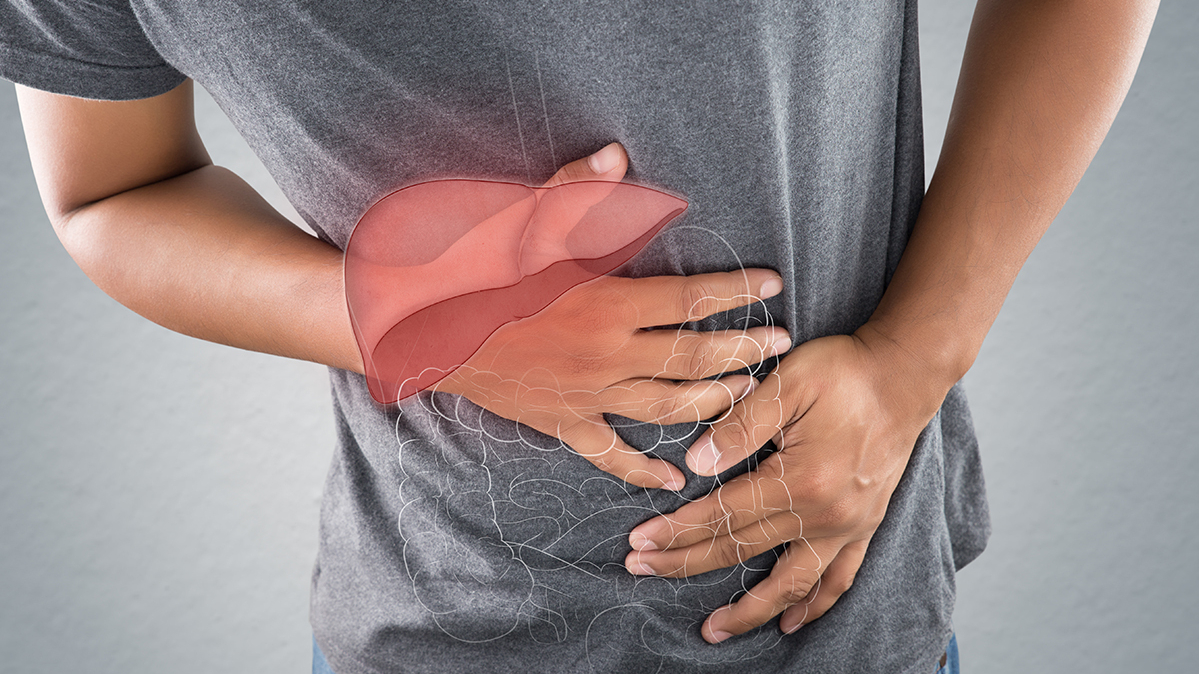
Normal weight, still unhealthy?

A ‘normal weight’ or a ‘good BMI’: most people would be very pleased with that. Even your GP or dietician do not always see cause for concern if you still fall neatly within a healthy BMI bracket. But unfortunately, it does not automatically mean that you are also metabolically healthy: your actual body composition is much more important when it comes to metabolic health.

Why is that?

You may have heard of the term TOFI: thin on the outside, fat on the inside. This refers to being that ‘normal’ weight or having a good BMI, but at the same time having more fat in the abdomen and around the organs, also known as visceral fat. This is often accompanied by reduced muscle mass.

How can I tell this is the case for me?

Instead of BMI, your WHtR (waist/height ratio) is a better indication of your metabolic health. So how to calculate?

  • make sure you stand up straight in front of a mirror
  • measure your waist with a tape measure on bare skin just between the lowest rib and the top of your pelvic bone, this is on or just below the belly button.
  • don’t pull the tape measure too tight and make sure it runs straight
  • now divide your waist circumference (in centimetres) by your height (in centimetres) and round off the result to 2 decimal places, this is your WHtR

Is your result 0.5 or lower? Absolutely perfect! But is it over 0,5? Then chances are you are metabolically unhealthy and there is room for improvement

For example: I am 169 cm tall and my waist circumference is 75 cm. So my WHtR is 0.44: no visceral fat for me!

Click here for a more detailed explanation and table

What are the risks if my WHtR is too high?

The increased visceral fat contributes to chronic inflammation in your body and to insulin resistance. It can also lead to an increased risk of chronic diseases such as type 2 diabetes, high blood pressure, fatty liver disease , cardiovascular disease, some types of cancers, PCOS and other medical conditions.

So what should I do?

The best way to reduce visceral fat is to cut out all sugars, processed foods and seed oils and adopt a keto lifestyle consisting of healthy wholefoods. But you also may want to consider increasing your muscle mass with strength training: more muscle mass means a better functioning metabolism.


Do you need help making healthy changes to your lifestyle? Why not book an advisory consultation: a 30 minute video call, free of charge! We can discuss your health goals, I will analyse your current lifestyle and you receive advice with regard to keto coaching.

Keto and menopause

Fact: menopause happens to all women and can be a difficult period for several reasons. Weight gain (the dreaded middle-age spread), loss of muscle tone, insomnia, mood swings and the dreaded hot flashes are all very common. They can also seriously inhibit your well-being and daily life.

A properly focused ketogenic lifestyle can make this time of life much easier for you. So let’s talk a little bit about (peri-)menopause and how a keto lifestyle can help alleviate the troubles that come with it.

What is (peri-)menopause?

Menopause is simply the exact day when a woman has gone twelve consecutive months without menstruating. The period after meno-pause is called post-menopause. But symptoms related to peri-menopause, the time where hormonal changes actually begin, usually start much earlier. They can also last for several years after the point of menopause. And even worse: new symptoms can even develop in the first few years after menopause.

The average age when peri-menopause starts is 46 and it usually lasts about 7 years. On the whole though, peri-menopause can start anytime between your mid-30’s and mid-50’s. The whole period can last anywhere from 4 to 14 years.

During and after this menopause transition several symptoms may occur. The most common ones are:

  • hot flashes and night sweats
  • weight gain, especially around the middle
  • insomnia
  • vaginal dryness
  • mood swings
  • fatigue
  • poor memory, aka ‘brain fog’
  • depression
  • loss of libido
  • changes in menstrual cycle
  • joint aches and pains
  • headaches
  • constipation

A word about low thyroid

Many of the symptoms that are attributed to (peri-)menopause can in fact also be symptoms of low thyroid or hypothyroidism. In my practice I regularly advise my clients to get tested to rule this out. Dr Ken Berry explains here what to look out for in terms of symptoms, both common and uncommon. He also explains here how to get properly tested. It is not sufficient to only get TSH, T4 and T3 tested so please make sure your doctor knows exactly what to test.

Hormones and insulin resistance

When a woman enters peri-menopause her ovaries contain fewer eggs. As a result begin they begin to produce less of the hormones estrogen and progesterone. In response to that, the pituitary gland in your brain steps up production of follicle stimulating hormone (FSH) to try to increase estrogen output. During this period of time, estrogen levels may fluctuate widely. But during the last couple of years before menopause, they steadily decline.

Estrogen is normally responsible for depositing fat in the hip and thigh area (subcutaneous fat) after puberty. This is why many women gain weight in this area during their reproductive years (pear shape). But as the estrogen levels decrease during peri-menopause, fat storage moves to the midsection instead. And for many women the pear shape becomes an apple shape.

This excess visceral fat doesn’t just change your appearance and the way clothes fit (and can be cause for insecurities about your looks). It is also strongly linked to insulin resistance, heart disease and other health problems… which obviously goes way beyond looks.

Weight gain in menopause

In addition to the change in fat distribution, most women also notice that their weight goes up several pounds during and after perimenopause. This is due to a combination of factors:

  • lower levels of estrogen promote insulin resistance and higher levels of insulin in the blood, or hyperinsulinemia, that promotes weight gain.
  • research shows that the ‘hunger hormone’ ghrelin actually increases in the early stages of perimenopause.
  • low estrogen levels during and after menopause may impair production of leptin and neuropeptide Y. These are hormones that help regulate appetite and weight balance. The result: an increase in appetite and lack of satiety can lead to overeating and weight gain.
  • loss of muscle mass that occurs during menopause and due to the aging process itself can slow down metabolism, making it easier to gain weight.

The importance of cholesterol

Estrogen, progesterone, cortisol, DHEA, and testosterone are made from cholesterol. If we don’t eat enough, our body takes cholesterol from our endocrine system to use for brain function and repair. When that happens, it becomes almost impossible for our bodies to maintain hormonal balance. It is important to remember cholesterol is very much needed for proper hormone balancing.

Many women however start to eat a calory restricting low-fat diet in an effort to combat the menopausal weight gain. Not only does this automatically decrease the intake of necessary cholesterol for hormonal balance, it almost always entails eating a lot of carbohydrates.

These carbohydrates are metabolized into sugars which cause weight gain and insulin resistance. And insulin resistance disturbs normal ovulation. Healthy estrogen gets converted into androgens. The abundance of starches and sugar in a low fat diet, but also caffeine, increase androgen production. This is also why women on such a diet experience an sudden inability to lose weight once peri-menopause sets in.

How can a ketogenic lifestyle help?

weight management

It stands to reason that eating in a way that lowers insulin levels and helps control hunger, as a keto lifestyle does, would be very beneficial for menopausal women. The appetite suppressing aspect of ketosis in particular can be very useful. However, although middle-aged and older women have been included in some studies on carb restriction, there is surprisingly little research looking at the effects of this way of eating in menopausal women alone.

hot flashes

There is also a lack of formal research into the effects of keto or low-carb diets on hot flashes.The women I have spoken to though who start a keto diet reported having fewer and/or less severe hot flashes.

mood swings, brain fog and emotional issues

While anecdotal, a lot of women have spoken to me about a reduction of negative emotional changes. This includes brain fog and mood swings. As of yet there are no studies though supporting carb restriction for these issues.

How many carbs?

Generally speaking, restricting intake to less than 50 grams of net carbs daily will help suppress appetite, reduce insulin levels and increase insulin sensitivity. All of which can make weight loss or maintenance easier.

If your goal is to be in nutritional ketosis in order to help with hot flashes, improve your mood or boost your memory and concentration, you may need to stick to about 20-30 grams of net carbs per day.

Additional tips

Flaxseed

Flaxseed can help relieve certain menopausal symptoms, especially hot flashes. Only use it in moderation though.

Green tea

Green tea is rich in catechins, which are very potent antioxidants. It is also the best source of a specific catechin known as epigallocatechin gallate (EGCG), which may be beneficial for cardiovascular and metabolic health. In addition, green tea may help in lowering insulin levels.

Fatty Fish

Research shows fatty fish can reduce inflammation, lower your triglycerides, improve artery function and protect brain health. These effects are due to the high content of EPA and DHA, the long-chain omega-3 fatty acids found in salmon, sardines, mackerel and herring.

Apple cider vinegar

Although anecdotal many women report using apple cider vinegar daily helps with several menopausal symptoms including hot flashes, sweating, gut health and digestion.

Exercise

Staying active is very important during and after menopause. Regular exercise can help relieve stress, boost your metabolism and fat burning and prevent loss of muscle mass. It is also reported that physical activity may potentially help with hot flashes.

Strength training, as opposed to cardio, is the most effective for dealing with symptoms of menopause as well as slowing down the aging process and improving body composition. Obviously, if strength training is not an option for you any other exercise is perfectly fine too, even walking.

Yoga

Yoga is well known for relieving stress. Similarly, tai chi and other mind-body therapies may also improve certain menopausal symptoms, such as sleep issues and hot flashes.

Acupuncture

Acupuncture has been reported to be effective for hot flashes and improving sleep.

Conclusion

(Peri)-menopause can be an extremely difficult period in a woman’s life. But a ketogenic lifestyle based on whole healthy foods can definitely help lower insulin levels, improve insulin sensitivity, keep your appetite under control and potentially even reduce hot flashes and other symptoms. As the decrease in estrogen means losing out on the cardio protective aspect of the hormone it is also important to reduce the risk of additional heart disease factors.

Weightloss during menopause can be difficult to achieve. I hear many women say it can be very slow going and a lot of patience is in fact required, even with a keto lifestyle and while doing everything right. If it will lead to weight loss depends on a number of other factors. Some of which you can control and others you just can not, such as genetics and bio-individuality.

Regular exercise, stress management and generally creating healthy habits can improve your chances for maintaining a healthy weight and great quality of life during and after menopause.


For specialised help during peri-menopause I advise to book a full coaching package. Every woman is different and an approach that is specifically suited to your personal needs guarantees the best results.

Would you like to discuss your keto coaching options first? Book an appointment for a consultation. This 30 minute video call is free of charge. I will make an analysis of your current lifestyle and give you advice with regard to keto coaching.

Keto and your gallbladder

Do you have gallstones or maybe no gallbladder at all? Then it is good to know that a ketogenic lifestyle can help: the symptoms you experience often quickly disappear. Read on to find out more!

How do gallstones form?

Bile is produced by the liver and is used to break down and burn fats. The bile is temporarily stored in the gallbladder before being passed through the bile ducts into the intestines.

If you are on a standard diet, i.e. high in carbohydrates and low in fat, you naturally need very little bile to digest the food you eat. Sometimes, however, excess bile in the gallbladder stagnates and thickens. This results in the formation of gallstones. You could say that in this case, gallstones are the result of a diet low in fats. You may also have an infection in the gallbladder that causes the bile to thicken, also resulting in gallstones.

Hormones can also play a role in the formation of gallstones, for example if you are a perimenopausal woman, pregnant or on the pill. Other risk factors are obesity and hereditary factors.

The most common symptoms are severe abdominal pain, discoloured stools (beige instead of brown) and jaundice. Sometimes complications arise when a gallstone gets stuck in the bile ducts for a long time. These include inflammation of the bile ducts or gall bladder, or acute inflammation of the pancreas.

Good to know: you can also have gallstones without even noticing it!

So how does keto help?

When you start a ketogenic lifestyle, you will not only be eating fewer carbohydrates, but also more (healthy) fats. Your liver will start to produce more bile in order to break down these fats. This also allows the bile to flow normally again. The chance of developing gallstones on a keto diet is therefore much smaller than on a standard diet low in fats.

Good to know: if you already have gallbladder problems and you start keto you will notice that your symptoms will quickly diminish and often disappear completely.

What if I don’t have a gallbladder?

Sometimes a person suffers extremely from gallstones. The decision can then be made to remove the gallbladder. You then no longer have a storage area in your body for the bile produced by your liver. Instead, the bile goes directly to the small intestine. This can cause temporary diarrhoea symptoms. Other symptoms that may occur are nausea, heartburn, pain and vomiting. The diarrhoea symptoms usually disappear quickly.

But can I do keto without a gallbladder?

Absolutely! If you’ve just had the surgery I do recommend that you wait until you’ve recovered from it. This usually takes about two weeks. In all other cases, you can start immediately.

Anything I need to worry about?

The vast majority of people without a gallbladder in my practice have no trouble at all switching to keto. Of course, it is possible that you are that one person who suffers from diarrhoea and/or nausea after starting keto because of the increase in your fat consumption. Your liver then has difficulty producing enough bile. Not everyone experiences issues from this, it is very individual. But if this is the case for you, fortunately there are things you can do to prevent or help reduce these temporary symptoms.

Good to know: many of my clients come from the United States and it seems that gallbladder removal is much more common there than here in the Netherlands. So I have plenty of experience exactly that situation.

Tips

You can try the tips mentioned below if you find that the fat content of the keto diet is causing problems without a gallbladder. It may take some time to find what works best for you, but before you try any of the tips: always make sure to give your body plenty of time to get used to the new lifestyle. Sometimes your body just needs a little extra time.

  • do not start eating to your complete fat macro immediately but build it up slowly; this will give your liver the chance to slowly produce more bile fluid.
  • instead of eating 3 full meals a day, eat 4-6 smaller meals and divide your fat macro evenly over these meals.
  • make sure you don’t drink anything before/during/after a meal; water (but also other drinks) dilutes the bile fluid and this makes it harder to digest fat.
  • certain types of food are best avoided as their fat requires much more bile to be broken down; these include avocado, nuts and seeds, olives, egg and meat. So if you notice that you’re having problems with certain foods, that’s a clear sign to leave them out.
  • apple cider vinegar can sometimes help, as it thins the bile fluid and makes it flow more easily; mix 1-2 teaspoons with a small glass of water and drink this half an hour before your meal
  • fermented products such as sauerkraut or kefir stimulate the liver to produce bile.
  • if you are prone to diarrhoea, looking at your fibre intake may help; fibre can help bind together thin stools. Be sure to increase your fibre intake only with high-fibre vegetables and do not use fibre supplements such as psyllium.
  • if all the above tips do not help, you can consider two types of supplements for temporary use: digestive enzymes and ox bile.

Do you have any questions about this? Please feel free to contact me here:

Keto and fatty liver disease


My GP says I have fatty liver disease. I always thought you could only get that if you drank too much alcohol. But I don’t really drink that much, so I’m a bit surprised by this. My GP now wants me to eat healthier and lose weight. I assumed I was already eating reasonably healthily but apparently I’m wrong. How come I have fatty liver disease and, more importantly, how do I fix this?

Rens, 51


What is fatty liver disease?

Fatty liver disease is often associated with excessive alcohol consumption. This is known as alcoholic fatty liver disease (AFLD). But even if you do not drink any alcohol at all, you can still develop fatty liver disease.

Fatty liver disease that is not caused by excessive alcohol consumption is called non-alcoholic fatty liver disease (NAFLD). NAFLD is actually a collective term for all non-alcoholic liver diseases. Fatty liver disease (steatosis) is the initial stage, inflammation of the liver (non-alcoholic steatohepatitis or NASH) is the final stage. This inflammation of the liver can also lead to cirrhosis and liver cancer.

The liver plays an important role in fat metabolism. If something goes wrong with fat metabolism, the liver can start storing more and more fat in the liver cells. This fatty liver disease is therefore a build-up of fat in the liver.

If you would do nothing about it, your liver will become increasingly fatty. One in five people who have a fatty liver for a long period of time develop an inflammation of the liver (hepatitis). This inflammation can cause scarring (liver fibrosis) and ultimately lead to cirrhosis. Cirrhosis is serious damage to the liver that can eventually lead to liver failure. This can be life-threatening. A liver transplant is then the only treatment option.

Do not underestimate non-alcoholic fatty liver disease: it is very common, estimated to affect one in four people. It is also one of the fastest growing serious diseases.

How do you get it?

Non-alcoholic fatty liver disease is a lifestyle disease. It is common in Western countries and is caused by a very unhealthy lifestyle and lack of physical activity. The body’s fat metabolism is disturbed and fat accumulates in the abdominal organs, including the liver. The liver’s own metabolism also changes, so that more fat ends up in the liver cells themselves.

The liver is not meant to store fat at all, but to perform other important tasks that keep you healthy:

  • production of bile fluid
  • storage of vitamins and minerals
  • production of important nutrients
  • neutralising toxic substances and medications
  • regulation of energy metabolism

If your liver is increasingly used to store fat, these functions can be seriously compromised.

So fatty liver disease is very serious?

Absolutely: if your liver function fails partially or completely due to inflammation and cirrhosis (scar tissue on the liver), fatty liver disease can be deadly. If your liver function fails too much to function, your only option is a liver transplant. And don’t forget that you have a higher risk of developing liver cancer.

And it is caused is by an unhealthy lifestyle?

Fatty liver disease occurs due to an imbalance in the intake of fats and carbohydrates from your diet. But it’s the carbohydrate intake in particular that does the damage. If your diet consists of food with excessive amounts of carbohydrates, and especially at too many times of the day, more and more of the hormone insulin has to be released to regulate blood sugar.

Insulin ensures that blood sugar is transported to the various cells in your body and ‘opens’ these cells. The blood sugar can then be taken up by the cells and used as energy. The surplus is stored in fat, muscle and the liver. If you consume too many carbohydrates, the cells become less and less sensitive to insulin, which means that it is no longer possible to regulate the blood sugar in the blood properly. You become insulin resistant. Insulin is also a hormone that stimulates fat storage even more and this includes fat storage in your liver.

Who is more likely to develop NAFLD?

As described above, insulin resistance is the main cause of fatty liver disease. And the chance that you are insulin resistant is very high if you have a diet of too many carbohydrates and unhealthy fats. But there are also other risk factors:

  • type 2 diabetes
  • being overweight and obesity
  • metabolic syndrome
  • TOFI; this stands for ‘thin on the outside, fat on the inside’, in other words, slim on the outside but with fat accumulated around the organs
  • excessive alcohol consumption

How do I know I have fatty liver disease?

Fatty liver disease can go unnoticed for a long time. Sometimes you may experience (mild) pain in the upper right part of your abdomen and fatigue. Very occasionally you may experience jaundice. Jaundice is the yellowing of the whites of the eyes and the skin.

In 1 out of 5 people with the condition, an inflammation of the liver (hepatitis) developes. This can cause various complaints. Think of chronic fatigue, a general feeling of sickness and sometimes itching of the skin. Nausea and pain in the joints may also occur.

Your doctor may suspect that fatty liver disease is present on the basis of symptoms. A blood test is then carried out to check whether liver values have increased. However, it is usually discovered by accident. During an ultrasound scan of the upper abdomen for example. Or by detection of abnormal blood values during an examination for completely different complaints.

OK, so I have been diagnosed, what can I do?

Since the main cause of NAFLD is the disregulation of the hormone insulin you need to begin by restoring this. You do this by eating far fewer carbohydrates. Your blood sugar levels will begin to normalise and insulin will once again be able to play its proper role. Your liver will stop storing fat reserves and will eventually release the existing fat reserves. This way, you can make your liver become healthy again and do what it is supposed to do.

This ketogenic approach almost always produces immediate results. Liver values can drop within a few days and within a few months the fatty liver has also decreased enormously. After one year, about 60 percent of patients who follow a ketogenic lifestyle have a healthy liver again.

It is of course important to continue the ketogenic lifestyle, even if you no longer have a fatty liver. If you return to the diet that caused non-alcoholic fatty liver disease in the first place, there is a very good chance you wil develop it all over again.

Have you been diagnosed with NAFLD? The keto lifestyle is the best approach to help reverse your diagnosis. Do you need help getting started? Book a 30-minute consultation so we can discuss which keto coaching option is best for your specific situation and needs.

Dominique | 56 | Scherpenzeel

Edit: translated from Dutch


Dominique came to my practice almost six months ago with the words ‘I’ve actually given up’. She had been trying for 12 years to get rid of her excess weight but nothing worked. ‘I’ll just be fat’ was her thought. But her two best friends had very different ideas and gave her one month of keto coaching as a gift.


That is a pretty unusual gift?

You could say that again, but our friendship is very special. We have known each other since secondary school and support each other in everything. For example, I got divorced when I was 42 and that period in my life was extremely difficult. But they were always there for me. In the years since my divorce, I did get bigger and bigger. It’s my own fault, I suppose, because I started eating sweets and unhealthy food and it just got worse over time.


Did you ever think ‘I have to stop doing that’?


Yes, in fact I have tried all kinds of diets. I have been a member of Weight Watchers, several times in fact. Soup diets, Sonja Bakker (editor’s note: a Dutch dieting guru), shakes, I have even taken weight loss tablets. Some things did help, Weight Watchers and Sonja Bakker in particular. The focus there is generally on healthy food, so I don’t want to be too negative about it. But how do you keep up eating so little?


Because you couldn’t?


No, because I was always hungry. Not when I had just started a diet, when I was feeling very positive. And I would lose weight. But after a month it becomes harder and harder. And then I just fell back into my old eating pattern. My friends are also very slim. I know you shouldn’t compare but it did bother me that I could only afford to eat so little and they can eat anything without gaining weight. It made me quite depressed and I would snack even more. I wasn’t healthy at all and it showed.


Did you have any other concerns?


Yes, of course I went through the menopause. I think it started when I was 48. And I really had all the classic symptoms: hot flashes, sleeping badly, my blood pressure went up, terrible mood swings. And I gained even more weight. After a while I noticed that going on a diet didn’t do anything anymore either. All those diets that normally made me lose at least some kilos, they stopped working for me. So what’s the point?


So that’s why I said ‘I’ll just be fat’?


Yes, I really didn’t feel like having to keep track of how much I ate anymore. I also talked to my GP about it, but she said that by keeping a close eye on the calories and exercising more, I would be able to lose weight. In retrospect, I know that this was useless advice. She was right about other things of course, for instance that I slept too little and did almost no exercise. But ‘eating less’, no, if that would work I wouldn’t be seriously overweight.


And then you got keto coaching as a present…


Yes, for Christmas of all times. I was stuffing myself with all kinds of foods and that’s what I got, hahaha. No, I was really surprised but in a very good way. We had been talking about it before, about keto. I think all three of us knew someone who was doing or had done keto and those stories were always positive. So I had looked up some articles online about it. But to be honest, it seemed very complicated to me. It’s very different from what I was used to so I hadn’t really turned that switch in my head yet. And then I received this gift.


Were you enthusiastic straight away?


My friends had, quite rightly, thought that if I could get help, it would be easier to start. That was true. But it still took me one and a half months before I dared take the step to make that first appointment with you.


And did it turn out better than expected?


Goodness, yes! I don’t know what I was so afraid of. That first coach call was so pleasant and extensive. I could really tell my story, and that was such a relief. And I had so many questions that you answered clearly every time. It was only then that I realised that keto might not be as complicated as I thought, that I was making things difficult in my head.

And the pressure was also off because not only did I have a coach call every week, but on all the other days I could just email or text you if something was bothering me. That gives you peace of mind. It was very nice that you indicated to do everything in smaller steps. For example: first get rid of all the products that don’t fit the keto lifestyle and then stock up with a good shopping list. It made the transition to keto easier for me.


That was six months ago. How are you now?


After that month of coaching, I continued on my own. I had already lost a few kilos and in the following months I lost even more. I now fit into a small EU size 42 again. That may not sound spectacular, but it is to me: it is just one size away from the size I had before my divorce. And I am insanely happy about that.

My blood pressure is back to normal, I sleep much better and I have a lot of energy. I am my happy self again. And that’s what I hear from my friends, but also from others around me: that I have such a positive outlook on life again. Losing those clothes sizes, that’s great. But the fact that I am myself again is actually much more important to me.

Weight is just a number on a scale, and if you think about it, it doesn’t tell you everything. A healthy lifestyle does so much more than just maintaining your weight, and I only realised that when I started keto. I’m very grateful to my friends for this gift, because I don’t know if I would have ever done it on my own. And I can heartily recommend keto coaching to anyone struggling as much as I did.