Every now and then I get a message from a worried reader or client, especially those with type 2 diabetes. The reason? They want to know why they have a high fasting blood glucose despite having been on keto for a while. After all, you are always told how the keto lifestyle is supposed to LOWER your blood sugar. It is understandable then that a higher number than what you like to see is rather puzzling. There is usually a good explanation though and it is good to learn which one applies to you. So…read on!
This little thing called adaptive glucose sparing
People who are on a long-term ketogenic lifestyle often discover that their fasting blood glucose, early in the morning, is for some reason the highest of the day. They also notice it then steadily declines throughout the day. There are usually no significant spikes after eating either. This does not necessarily mean there is an actual issue with their blood sugar. They are in fact doing really well on this lifestyle. But there is a scientific name for this: physiologic insulin resistance and it’s a good thing, unlike pathologic insulin resistance.
Pathologic insulin resistance is caused by high levels of insulin (hyperinsulinemia) that are trying to force glucose into already full cells. This type of insulin resistance is a major symptom of type 2 diabetes, polycystic ovarian syndrome and several other chronic conditions.
Physiologic insulin resistance is sometimes called adaptive glucose sparing. When you are on a HIGH carbohydrate diet your muscles are the biggest users of glucose for energy. If you switch to a ketogenic lifestyle your muscles start to prefer fat for fuel. So the muscles start to actively resist insulin bringing sugar into the cells for energy. It is as if they are saying: ‘We do not need your sugar anymore, please take it elsewhere’. This then causes a slightly elevated, but generally stable, amount of glucose circulating in the blood.
But how can this happen?
Where is that glucose even coming from when you consume no sugars but only healthy vegetable carbs in your diet? The answer to that is this: your liver does this through a process called gluconeogenesis. The liver is perfectly capable of creating glucose from other non-carbohydrate sources such as lactate, glycerol and the glucogenic amino acids from proteins. It is a very natural and protective process.
It also means, because of the body’s ability for gluconeogenesis, your body simply adapts. If you are fully keto adapted your liver will produce large amounts of ketones that can replace glucose as fuel for your brain, fatty acids then supply energy for muscles. And last but not least, glucose production from non-carbohydrate sources via gluconeogenesis supplies the carbons for the few cells that still depend on glycolysis (using sugar for energy).
Dawn Phenomenon
So what is the explanation for having the highest blood in the morning? It is called the Dawn Phenomenon. Cortisol, growth hormones, adrenaline and the enzyme glucagon pulse to the liver to get you up and moving for the day. And this triggers gluconeogenesis for the cells that need glucose.
Your fasting blood glucose may be high…but insulin is low
Testing your fasting blood glucose without testing your fasting insulin tells you very little. It is all about the relationship between glucose and insulin and how they work together. This is called the homeostatic model assessment of insulin resistance or HOMA-IR for short. It means that your body is always trying to keep all of its essential systems in a balance, also known as homeostasis. Insulin is working against glucose to try to keep blood sugar levels stable or “in homeostasis”.
Two examples of how this works
1) In someone with pre-diabetes, type 2 diabetes or polycystic ovarian syndrome insulin over time can be pulsed out by the pancreas in ever increasing amounts just to keep blood sugar relatively stable. So while the fasting blood glucose can still be in a normal range, it is taking increasing amounts of insulin to keep it there. As this insulin resistance develops insulin becomes increasingly ineffective to bring blood sugars down and blood sugars will eventually rise too high.
2) In someone who has been on a keto lifestyle for a number of months and is now burning fat for energy, only small amounts of insulin are being pulsed by the pancreas to keep the glucose stable. This person is no longer insulin resistant, but very insulin sensitive. He or she will only need small amounts of insulin to keep glucose in check.
Here is the thing though: most doctors do not check for fasting insulin when they order a fasting blood glucose test. So if you are worried about high fasting blood glucose remember to ask for a fasting insulin test too.
Have you thought about the impact of cortisol?
Life can be pretty stressful and you may have a hard time reducing stress. This can result in restlessness, poor sleep, insomnia, feelings of anxiety and even depression. Cortisol is the hormone that mediates the ‘fight or flight’ physiologic response that comes with these elevated stress levels. And it has a direct effect on your glucose levels: prolonged cortisol stimulation will always raise blood glucose levels. But how?
When cortisol is released from the adrenal glands it sends a message to your body to release glucose to prepare for a perceived threat, encouraging gluconeogenesis in the liver. When we were still walking around as cavemen- and women, this influx of glucose energy was usually used for either fighting or fleeing from the threat. But in modern times stress often goes unreleased and unresolved. And the energy will not be used, which can lead to those prolonged higher glucose levels.
False blood glucose readings
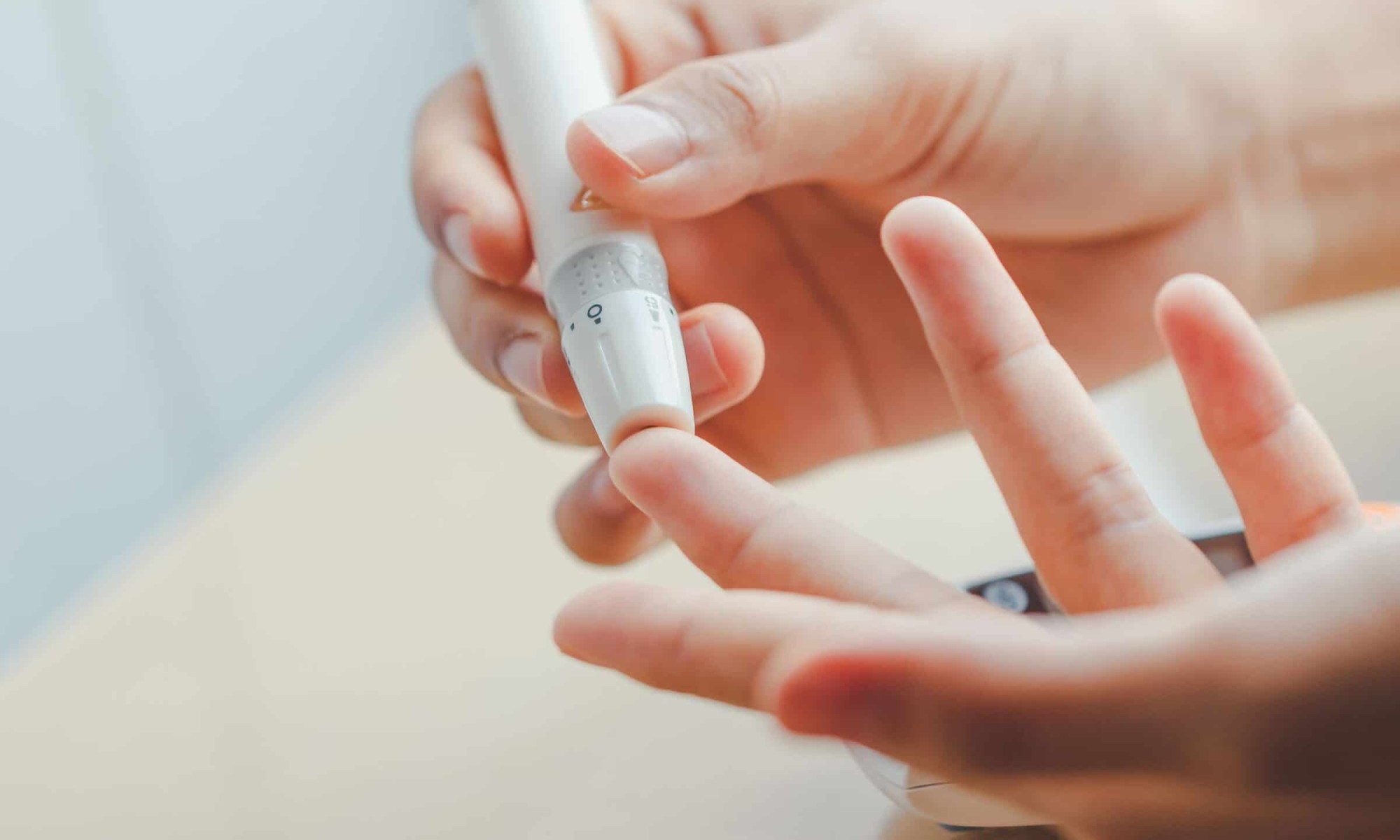
While the physiologic reasons as described above can cause higher glucose readings, technical reasons can cause them too. Home glucose monitors manufacturers are allowed a variance of 15% in results. This means that a reading of 100 mg/dl (or 5.6 mmol/L) might actually be as low as 85 mg/dl (or 4.7 mmol/L) or as high as 115 mg/dl (or 6.4 mmol/L). This really makes a huge difference. My advice is, if you get an unexpected result, take three more readings within a few minutes of each other. Then average the results.
A false reading can also be caused by finger pricking with hands that have traces of sugar or food. Dehydration equally raises results, too. Always wash your hands before testing. Be aware some soaps can have additives like honey or a fragrance that can distort readings. Strips that are too hot or too cold or other environmental conditions like high altitudes can equally produce higher or lower readings. Even different lots of strips can produce different results on the same meter.
So again, if you feel your reading is a little off, try again.
LADA – Latent Autoimmune Diabetes in Adults
So what if all of the above is not applicable to your situation and you find your fasting blood glucose is still rising, despite your keto lifestyle. And not just in the morning but at other times of the day too? You then may want to consider the possibility of LADA, latent autoimmune diabetes in adults. This type of diabetes is sometimes called type 1.5 diabetes. It usually applies to people who have been misdiagnosed previously as type 2 diabetics.
LADA acts like type 1 diabetes. Antibodies are attacking the insulin-producing cells of the pancreas, but instead of emerging in childhood or adolescence, it arises in adulthood. LADA resembles type 2 diabetes though, hence the quick diagnosis of type 2. But the patients usually are thinner and progress to needing insulin a lot faster. This is because their insulin producing beta cells have been attacked by antibodies. The highest rates of LADA patients are found in Northern Europe, with up to 14% of type 2 diabetics actually being LADA patients.
How do you deal with LADA?
Just like for type 1 and type 2 diabetes, the keto lifestyle is a successful method for LADA patients to keep their blood sugar as stable as possible. If they need to eventually inject insulin, low-carb eating still enables them to use the least amount of insulin necessary to keep their high blood sugars in check. If you are worried about this at all do consult your medical caregiver.
Do you feel a little bit lost while doing keto? Are you in need of support? Book a coach call and let me help you ease your mind. Contact me below and let’s discuss your options.
The contents of this website and the advice given during a keto coaching program are not intended as treatment or prevention method of any illness, nor as a replacement of medical treatment or as an alternative for medical advice. Use of the advice given on this website or during a keto coaching program followed by you is at your own risk. It is always advisable to discuss a transition to a keto lifestyle with your general practitioner or any other relevant medical caregiver.





 Sevi Rutgrink - Keto Coaching