Help, I have constipation!

Keto and your bowels

The ketogenic lifestyle is an excellent way to keep your bowels happy and healthy. So if you had pre-existing bowel issues before starting keto you will notice that they resolve themselves quickly. You will sometimes notice though that your body needs some time to get used to this new way of eating. As a result, you may develop short-term constipation (and in some cases diarrhoea). Fortunately, this is usually temporary and these issues will disappear.

Sometimes people confuse constipation with a lower bowel movement frequency. Keep in mind though that so called ‘regularity’ or daily bowel movements are not necessary with keto. The fact that you eat very healthy foods with sufficient nutrients means that you will also produce less ‘waste’. So don’t let people wave their finger at you and try to convince you that you really should have daily bowel movements.

Possible other causes of constipation

In addition to simply having to get used to the lifestyle you can also notice other reasons for constipation, or in some cases feeling bloated, having excess gas, changes in stool and reduced or increased bowel movements. These include:

  • salt deficiency
  • dehydration
  • food intolerances
  • your hormonal cycle
  • fluid retention due to exercise
  • lack of magnesium and/or potassium
  • a lack of fiber but mostly too much fiber

Certain medications can also cause gastrointestinal problems. Always consult the medical insert of your medications and, if necessary, your doctor. Switching to the keto lifestyle can also cause changes in your intestinal bacteria or candida die-off symptoms. And in terms of food sensitivities: dairy is often a culprit.

It is important to find out if you can pinpoint an actual cause and make dietary adjustments if necessary.

Which constipation remedies can you try?

Extra fats

Just as the sudden increase in fats can cause (temporary) diarrhoea, too little fats can have just the opposite effect. Sometimes people are very reluctant to eat fats at the start of keto and do not reach their daily fat macro. I need to stress the fact that it is very important to eat healthy fats and to reach your fat macro every day. Also make sure there is plenty of variety in fats. Besides comsuming various oils, butter and ghee you need to make sure also to eat fatty animal protein sources, eggs, nuts and, in moderation, dairy.

Do you feel it is still not enough fat? In that case make sure to provide some extra fat, preferably in the morning on an empty stomach, this usually gets things going. Think of coconut oil, butter, MCT oil or olive oil. Flaxseed oil can also help. Stay close to the bathroom though, the effect can happen rather sudden.

Sufficient electrolytes

With the keto lifestyle you lose more fluids due to the decrease in your carbohydrate consumption. And with that fluid you also lose electrolytes: salt, magnesium and potassium. It is important to ensure a good balance at all times. If you don’t, constipation can be the result, in addition to the symptoms mentioned below. You need to follow these guidelines:

The recommended daily amounts mentioned below are only averages. However, your needs may vary from day to day and also depend on your bio-chemical individuality and nutrition. It is therefore advised to listen carefully to your body and not rely exclusively on numbers.

  • magnesium deficiency: e.g. headaches, leg cramps, low energy, etc.
    take a good ‘clean’ brand of magnesium in pill form, use magnesium oil spray on your skin or take a footbath with Epsom salt.
    recommended daily amount of magnesium: 300-500 mg
  • potassium deficiency: e.g. heart palpitations, feeling weak, low energy
    for potassium you can use LoSalt (available at all supermarkets), 1 or 2 times a day half a teaspoon is sufficient in case of symptoms.
    recommended daily amount: 3000-4000 mg
  • salt deficiency: e.g. feeling weak, low energy, light feeling in the head, dizzy when getting up quickly
    make sure you salt your meals with Himalayan or Celtic salt, if necessary you can eat some salt ‘as is’ or add it to water.
    recommended daily amount: 3000-5000 mg

A word about magnesium

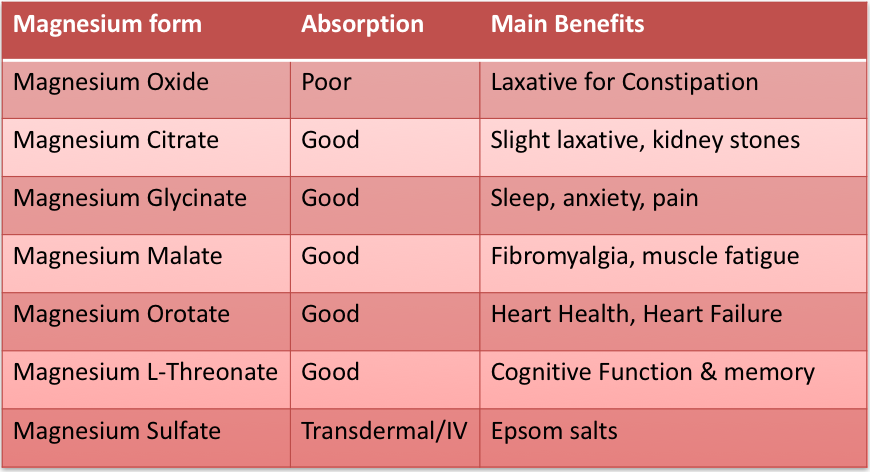
Magnesium comes in all kinds of forms, as you can see in the image below. To specifically remedy constipation I recommend the oxide form. This is not absorbed by your body but does make your stool softer. It is still necessary to use the easily absorbable forms of magnesium to prevent the keto flu.

Extra vitamin C

A higher dose of vitamin C can have a laxative effect. This approach is safe and does not endanger your state of ketosis. Use a dose of 2000-3000 mg for a few days. It is advisable to do this during the day to prevent sleep issues.

Do not exaggerate your fibre intake

Tell your family doctor or your neighbour that you suffer from constipation and nine times out of ten you will be advised to eat extra fibre. Unfortunately, this is another medical myth. It is advice that has been used for years but has no effect at all and for which there is no medical evidence. In fact, too much fibre causes constipation.

If you make sure you eat enough vegetables and keep to the 25 grams of net carbohydrates you are getting more than enough fiber. It is not necessary to add products such as chia seed, psyllium or linseed to your diet.

Make sure you drink enough water

It is very easy to slip your mind, especially if you’re busy during the day, but drinking water is very important for your bowel movements. Are you always forgetting to drink and do you notice you are getting constipated? Make sure to install a water app on your phone so that you are reminded to drink water at regular intervals. What also helps is to put 2 full litre bottles of water in plain sight, for example at your workplace, and make sure they are empty at the end of the day.

Laxatives, yes or no?

It sounds easy: a pill and there you go, your constipation is gone. But taking pills also has disadvantages. Laxatives such as bisacodyl can make your bowels lazy by overstimulation which leaves you with a whole new issue. I strongly advise against them.

There are also laxatives that cause your stool to soften, such as Metamucil or lactulose. If you use those for an extended period of time your bowels get addicted to them. Stopping then becomes very difficult. They also often contain sweeteners and for that reason alone you are not advised to use them.


Please note: if you experience long term constipation, stomach pain or painful bowel movements you are always advised to contact your medical caregiver.

Keto and your blood pressure

Do you have high blood pressure? Then it’s good to know that the keto lifestyle lowers it in most people. Read on to find out why that is and what this can mean if you take blood pressure medication.

What is high blood pressure?

High blood pressure is almost always caused by insulin resistance: an excess of carbohydrates in your diet causes your body to produce more insulin. The more insulin you have in your body, the more salt and fluid your body will retain. This fluid has to go somewhere and ends up in your blood vessels. This excess fluid in the vessels creates ‘overpressure’. This is what we call high blood pressure. As long as you keep eating a lot of carbohydrates, or even increase your carbohydrate intake, the cndition will remain or even increase.

The danger of high blood pressure

High blood pressure plays a major role in the development of cardiovascular diseases. Too high and it will weaken the vessel walls. Weaker vessel walls increase the risk of vessel wall inflammation. This damage can still occur if you take medication for it. The risk of heart failure with high blood pressure is 3 times higher and the risk of a stroke is 4 times higher.

What does your doctor do if high blood pressure is diagnosed?

In most cases your doctor will prescribe a beta-blocker. This is a medication that will make your heart work less hard: the heart will pump less blood around which will lower your blood pressure. Your doctor can also prescribe a diuretic. Diuretics remove the excess fluid. They do this by stimulating the production of urine in the kidneys. As a result you will urinate more and your blood pressure will drop.

How can you lower blood pressure without medication?

Beta blockers and diuretics may lower the blood pressure, but they don’t remove the actual cause: insulin resistance. A diet low in carbohydrates, such as the keto lifestyle, can however do just that: if you eat less carbohydrates you also produce less insulin. Less insulin in the body means less salt and fluid retention, so your blood pressure will drop almost immediately.

If you are already taking beta-blockers when you start a keto lifestyle you have a good chance that you can stop taking them shortly after: the diet lowers your blood pressure quite quickly, sometimes within a few days. Measuring your blood pressure at home is very convenient during that time: that way you know for sure what’s going on. Also listen closely to what your body is telling you: do you feel tired, dizzy, unwell or weak? Make sure to contact your doctor to discuss whether stopping the beta-blockers is a possibility. Always mention that you follow a keto lifestyle.

Do you also take diuretics? There is a good chance that you can stop taking those as well. The keto diet also has a diuretic effect which strengthens the effect of the diuretics you are taking. Not only does this increase the risk of dehydration, but you can also lose too many electrolytes. Contact your doctor to discuss whether stopping the diuretics is a possibility. And again: always mention that you follow a keto lifestyle.

When it is not advised to stop taking the medications

Sometimes your doctor prefers for you to continue your medication. In that case you need to stay alert for symptoms such as headaches, dizziness, nausea and muscle weakness. If in doubt, contact your doctor again.

But what about salt?

The neighbour, your mother and sometimes the doctor himself: they will often advise you to avoid salt if you have high blood pressure. This stubborn myth unfortunately still persists, especially with the older generation. Salt does not raise your blood pressure: too many carbohydrates leading to insulin resistance is the culprit. Limiting your salt intake is not only unnecessary, it can in fact have adverse effects while on keto: because of the drastic reduction in carbohydrates, you lose fluids and salt and they always need to be replenished. Not doing so may lead you to feel dizzy or weak.

Would you like to discuss if keto is suitable for you? Feel free to contact me:

How do I handle cravings?

‘I have been on this keto lifestyle for four months now and everything was going just fine. But the last three days I have been fighting these awful cravings! There are moments I have to almost physically restrain myself from eating everything in the fridge. I don’t get it it: I eat good meals, or at least I think I do, and it was not like this before. Am I doing something wrong here?

Deirdre, 53

I get a lot of questions just like this one about what to do when cravings hit. But more specifically, clients often want to know whát to eat when cravings hit. While it would be easy for me to give actual food suggestions or to point to the food list here it is more important to figure out what is causing you to have these cravings in the first place. You can then deal with those specific causes first.

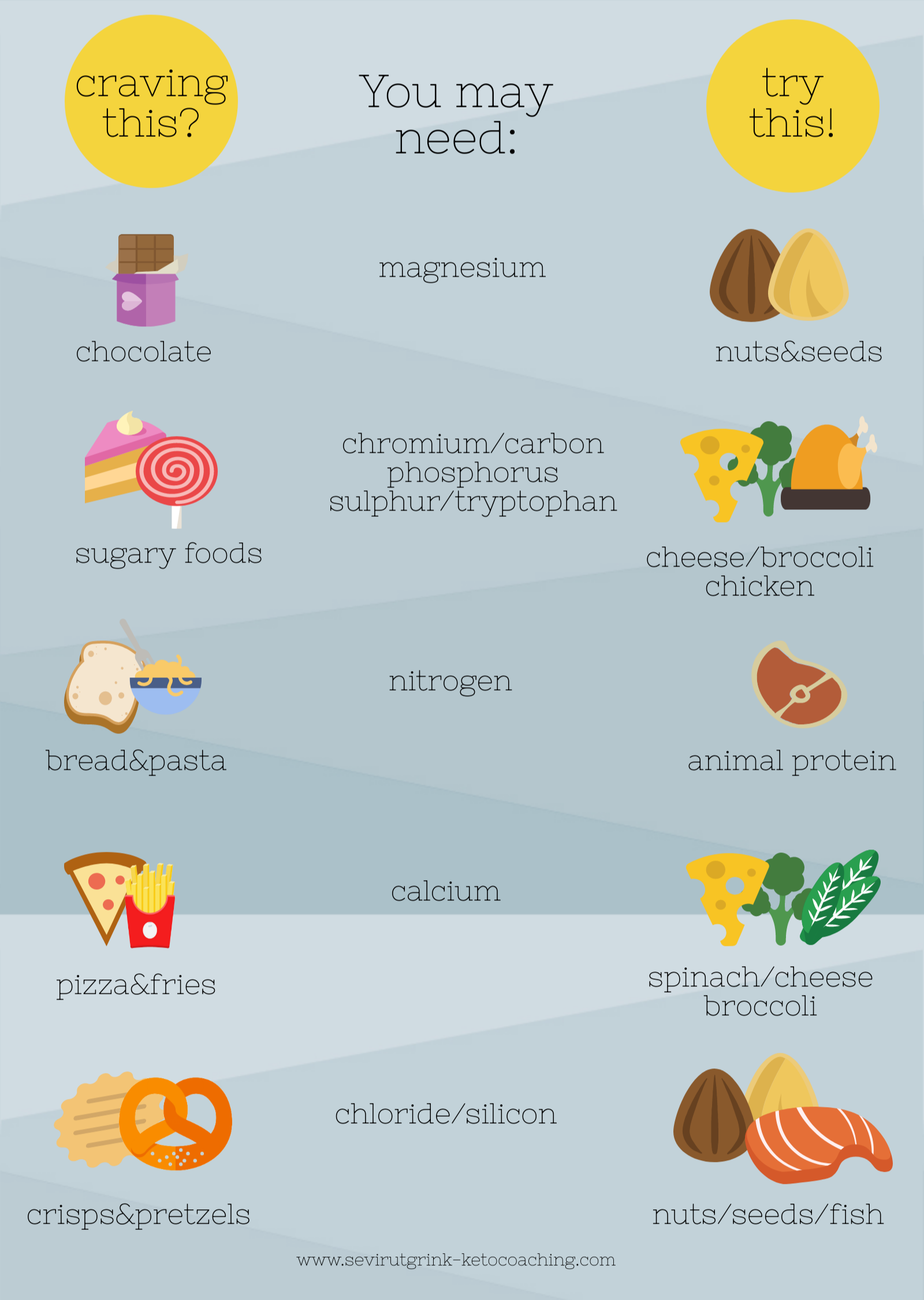
When doing keto correctly you should not have physical cravings and in most cases mental cravings should also not occur. But if they do, try to pinpoint possible causes first. Do not look to keto snacks as a first resort. Consider things like:

You are not eating enough

Or simply put: you are under-eating on your macros. So check if you are in fact following a correct set of macros. If for some reason you have stopped tracking with an app, I advise to start doing so now. If you are practising intermittent fasting or doing OMAD you must also keep in mind you still need to eat to your full macros during your eating window. Do you need help with your macros? You can always contact me here.

You are fire-starting your own cravings

You freely eat craving inducing foods such as keto baked goods, low carb sweeteners, dark chocolate, low carb fruits but also nuts and cheese. Why? Because you are under the assumption these are always okay to eat.

Yes they may be okay for keto in general but they may also make you long for more. If you have become too reliant on these types of foods try cutting back or leave them out for the time being.

You eat foods you think are keto but are in fact not

This is a very common one: falling into the trap of consuming pre-packaged ‘keto’ foods. Products like Slimfast, Atkins, Quest, Premier, any type of diet soda and the vast majority of products labeled with the words ‘low carb’ or ‘keto’ are really not suitable for the ketogenic lifestyle at all. They always contain a variety of non-keto ingredients. And these non-keto ingredients can lead to very severe cravings. Not to mention the fact they are simply bad for health.

The word ‘keto’ is not a legally protected term and as such will be mis-used for profit by food companies simply jumping on the keto bandwagon. So always read labels, never assume something is keto or suitable for keto just because it says so on the packaging.

Liquid fats cause cravings

Bullet proof- or fat coffees, but also fatbombs by the way, are very much known to cause cravings. Fat is always best eaten as and/or with proper foods and not consumed in liquids. The actual act of eating (i.e. chewing/swallowing/digesting) alone helps give the signal of satiety. Research also suggests the body does not see liquid calories as the same as calories coming from solid foods. And this in turn may cause you to eat more at your next meal.

Stress, boredom, emotions and lack of sleep

If you find yourself having cravings and mindlessly eating for these reasons you need to take a step back and try to deal with the underlying issues first. This may prove more difficult than you imagine and sometimes professional help can be helpful. It is up to you to decide if you need this outside help, during my coaching these issues do of course also arise and I will always help my coachees as best as I can. Here are some ways to help you reduce your stress levels:

  • try meditation techniques; you can take zen meditation classes but meditation can be done anywhere anytime and there are also plenty of apps you can try. A lot of people are using Headspace, you can also try InsightTimer;
  • avoid too much cardio exercise: excessive cardio raises those cortisol levels. So skip the daily running and try resistance training or HIIT instead;
  • step away from social media, turn those electronic devices off; invest some of your time in actual social interaction for a change or take up some more relaxing activities such as walking or reading;
  • try to get good sleep as well: you are much better equipped to handle stress well rested. So make sure you have good sleep hygiene: go to bed early, preferably at the same time every night, and make your bedroom a quiet, dark and comforting space. For more tips on good sleep go here.

Dehydration is a root cause of cravings

Simply put: you are not drinking enough water. Dehydration may feel like a craving or actual hunger so keep your water intake up. As a general guideline 30ml of fluid (and this includes tea and coffee) per kg of body weight is the norm. This is however just a general rule that intends to find a common intake that will prevent dehydration.

Too much of anything is not a good thing, including water, but on keto most people find they do need to drink more than the above recommendation. How much more depends on biochemical individuality and food intake so go by how you feel, pay attention to your body.

Low electrolytes

Any imbalance in electrolytes (magnesium/potassium/sodium) can lead to cravings. It is very important you always stay on top of this. Please note the below recommended daily amounts are only averages, supplement needs may differ per individual and depends on bio-chemical individuality and types of food eaten. Do not rely solely on these numbers but always listen to your body.

  • Take a good brand magnesium supplement, use magnesium spray oil or add Epsom salt to a (foot)bath.
    recommended daily amount of magnesium: 300-500 mg
  • For potassium add LoSalt to your water. Never supplement potassium in pills, that should only be done after consulting your dr.
    recommended daily amount of potassium: 3000-4000 mg
  • Salt food with Himalaya salt.
    recommended daily amount of sodium: 3000-5000 mg

Alcohol

If you are are regularly drinking alcohol it may increase your appetite and cause dehydration at the same time, both of which will make you feel inclined to eat. It is always best to avoid alcohol or at least try not to consume it regularly. For more information about alcohol on keto go here.

Snacking in general

If you snack too much in general it will increase your insulin spikes. And too many of those will make you want to eat even more. Always make sure to eat two or three healthy filling meals per day and simply do not snack.

Something is missing in your daily diet


Do you keep having issues with cravings? If so, doing keto with a coach is extremely helpful: together we can pinpoint your trouble areas in no time. Contact me today so we can discuss your options.

Marijke | 54 | Amsterdam

Edit: translated from Dutch


I have been on the keto diet on and off in the past two years but I never seemed to manage to do this long term. My husband said at one point it felt like I was in a vicious circle: I lost weight quite easily each time but just when my clothes started to fit better I also started eating the foods I really should not be eating. And then of course I would gain all the weight I lost right back, plus some extra. It was frustrating me, I find it is quite hard to lose weight at my age anyway. So this is why my husband suggested to get help.


I had no idea it existed, a keto coach. I quickly found Sevi’s website and I immediately wanted to sign up for 10 weeks of coaching. After talking over the phone Sevi suggested the Restart package: three weeks of coaching for people who are familiar with keto but who need help getting back on track.
One of the things she noticed immediately was that I treated keto mainly as a short term diet, just so I could fit into my clothes again. She suggested thinking more about the benefits of keto for the long term, for my health for instance.


Talking and thinking about this together with Sevi really helped me: I realised I valued the positive changes in my health far less than a smaller size jeans. I have had joint pain for a while now and that disappears when I do keto but it comes back instantly when I stop. My sleep is also a lot better during the periods I follow a keto diet. And that in itself improves my mood considerably. Funnily enough, this was a real eye opener for me.


My motivation to view keto as a lifestyle for the long term is so much greater now. And another bonus is that my husband has also started a keto lifestyle because of all the stories I told him about the keto coaching. And it is so much easier to do this together.


I can recommend Sevi’s coaching to everyone, she gives such a good explanation about the practicalities of keto, lots of interesting background information but more than anything else: she really listens.


Derek | 34 | Chicago, IL

My dr wanted me to tackle my health issues by improving my lifestyle, she was concerned I was getting obese. I also had high blood pressure and just general aches and pains. It was her idea I tried low carb or keto. Because I did not have a lot of time to do the research due to my busy work schedule I just went online and looked for a keto coach.


I am very lucky to have found Sevi. I was a bit hesitant at first because she is located in the Netherlands and I am in the US but that was not an issue at all.  She has a lot of knowledge about keto but besides that, she is also very clear and precise and at the same time kind as well. I messed up a few times but she reacted in the best way ever, just very supportive and focused on getting me back on track.

I did three months of coaching with her and I am off the blood pressure medication, lost 32 lbs and I have a lot more energy. I am also confident I am able to keep doing this without her help, she really did provide me with all the information and practical guidelines I need. I can not thank her enough!