Covid-19: your lifestyle matters

It has been hard to miss in the news: Covid-19 patients with serious complications often have one or more characteristics of metabolic syndrome. Obesity is the most obvious one but high blood pressure, type 2 diabetes and cardiovascular disease are other common factors. You may also have noticed that the term insulin resistance is often mentioned in the context of Covid-19.

What is insulin resistance?

The most important role of the hormone insulin in the body is to lower your blood sugar level. Every time you eat your body produces insulin and this gives a signal to the cells that they have to absorb the incoming glucose. If your diet consists of foods with an excessive amount of carbohydrates and especially at too many times a day, more and more insulin has to be released. Over time, the cells become less sensitive to insulin so they become inefficient at regulating the glucose in the blood. This insulin resistance is actually pre-stage type 2 diabetes or pre-diabetes. And keep in mind: this is something that builds up over many years. And with this insulin resistance the previously mentioned conditions, such as obesity, arise.

We can’t ignore the fact that this is a really big problem in my own country, the Netherlands. More than 50% of Dutch people over 18 are moderately or seriously overweight. And on closer inspection most of these people will have insulin resistance. These numbers are even greater in other parts of the world. This of course also has a negative effect on the immune system. Not only are you more susceptible to a viral infection such as Covid-19, but it also becomes more difficult for your body to fight such an infection. Your immune cells simply cannot function optimally.

How do I reverse this?

A transition to a generally healthier lifestyle can have an enormous positive impact on your health within just a few weeks. Simply limit your intake of sugary and processed foods, keep moving, reduce stress and ensure good sleep. But are you more serious about reversing insulin resistance, and thus your symptoms of metabolic syndrome? Then now is the time to make the conscious choice for the ketogenic lifestyle.

How do I start a keto lifestyle?

Start by reading the keto information on my website. While reading, learn exactly what keto entails, what foods you can eat and what you need to pay attention to.

Would you like to know first if you have insulin resistance? Find out with the insulin resistance symptoms check.

Can keto cure your gout?

What is gout?

Gout is a very painful inflammation in a joint, usually in the big toe but sometimes also in the middle of the foot or in the ankle, knee and wrist. This particular type of inflammation is caused by the presence of uric acid crystals in the joint. An attack occurs very suddenly and usually lasts 1 to 3 weeks. Attacks can continue to recur.

Good to know:

  • uric acid crystals can also form kidney stones
  • people with gout have an increased risk of cardiovascular disease
  • it is more common in some families
  • it is more common in middle-aged men
  • high blood pressure, cardiovascular disease and impaired kidney function are more common in people who suffer from gout attacks

Does animal protein cause gout?

In the past animal protein consumption was blamed for causing gout, but there is no proof of that. Animal proteins do contain certain substances, purines, which are broken down into uric acid. But we now also know that these purines do not increase the uric acid in the blood: the kidneys excrete this uric acid, so that it does not end up in the blood and therefore cannot cause an attack of gout.

So what actually causes it?

Sugar consumption is the main risk factor for contracting gout. It is therefore more common in people with insulin resistance: your body is no longer able to process carbohydrates. And with insulin resistance, your risk of atherosclerosis, high blood pressure and diabetes 2 is also much higher. The uric acid crystals that cause gout in your joints can also form kidney stones.

Good to know:
By switching to a ketogenic lifestyle you can reverse your insulin resistance.

What about alcohol?

Your doctor may say the opposite, but alcohol does play a role in the onset of gout attacks. Alcohol increases the concentration of uric acid. As a result, your kidneys are slower at excreting it.

And if I take certain medications?

High blood pressure is more common in people who have gout. Someone with high blood pressure is often prescribed a diuretic. Certain types of diuretics increase the risk of a gout attack. If this is the case for you, I recommend that you consult your doctor to see if you can be prescribed another type of diuretic

Good to know:
Most people can stop taking diuretics soon after starting keto. A ketogenic diet normalises blood pressure.

Would you like to learn more about keto and high blood pressure? Take a look here

So how do I stop my gout attacks?

In order to get rid of gout, you need to tackle your insulin resistance. And you do this by starting a ketogenic lifestyle. The carbohydrate restriction lowers the insulin in your blood. You will therefore produce less uric acid and your kidneys are also better able to excrete this uric acid.

Good to know:
Sometimes it happens that the gout increases in intensity after starting keto. This is temporary: your body goes to great lengths to clean up the old crystals that are still present.

I would like to start with keto, how do I do this?

If you want to make sure that you are taking all the right steps to help cure your gout keto coaching is the best option for you. Use the button below to learn more about my services.

Insulin resistance symptoms check

Are you insulin resistant? Find out today: take the insulin resistance symptoms check.

What is insulin resistance?

What is he most important role of insulin in your body? To lower your blood sugar. But how does this work? Every time you eat, your body produces insulin and this sends a signal to the cells that they need to absorb the incoming glucose. If your diet consists of excessive carbohydrates at too many times per day, more and more insulin needs to be released.

At a certain point the cells become less sensitive to insulin, which makes it impossible to regulate the glucose in the blood. This insulin resistance is the pre-stage of type 2 diabetes, can cause a multitude of other serious medical conditions including cardiovascular disease and builds up over many years. The insulin resistance symptoms check and your WHtR (waist to height ratio) combined give a good insight specifically into your risk of cardiovascular disease.

How do I calculate my WHtR?

  • make sure you stand up straight in front of a mirror
  • measure your waist with a tape measure on bare skin just between the lowest rib and the top of your pelvic bone, this is on or just below the belly button.
  • don’t pull the tape measure too tight and make sure it runs straight
  • now divide your waist circumference (in centimetres) by your height (in centimetres) and round off the result to 2 decimal places, this is your WHtR

What does my WHtR mean?

IndicationWomenMen
Healthy weight | no risk< 0.49< 0.53
Overweight | increased risk0.49 – 0.530.53 – 0.57
Very overweight | high risk0.54 – 0.570.58 – 0.62
Morbidly obese | very high risk> 0.58> 0.63


Is this all I need to know?

No, your WHtR alone does not tell you everything: an insulin resistance symptoms check provides more clarity. Fill it out the form below and I will contact you to make an appointment for the insulin resistance symptoms check.

← Back

Thank you for your response. ✨

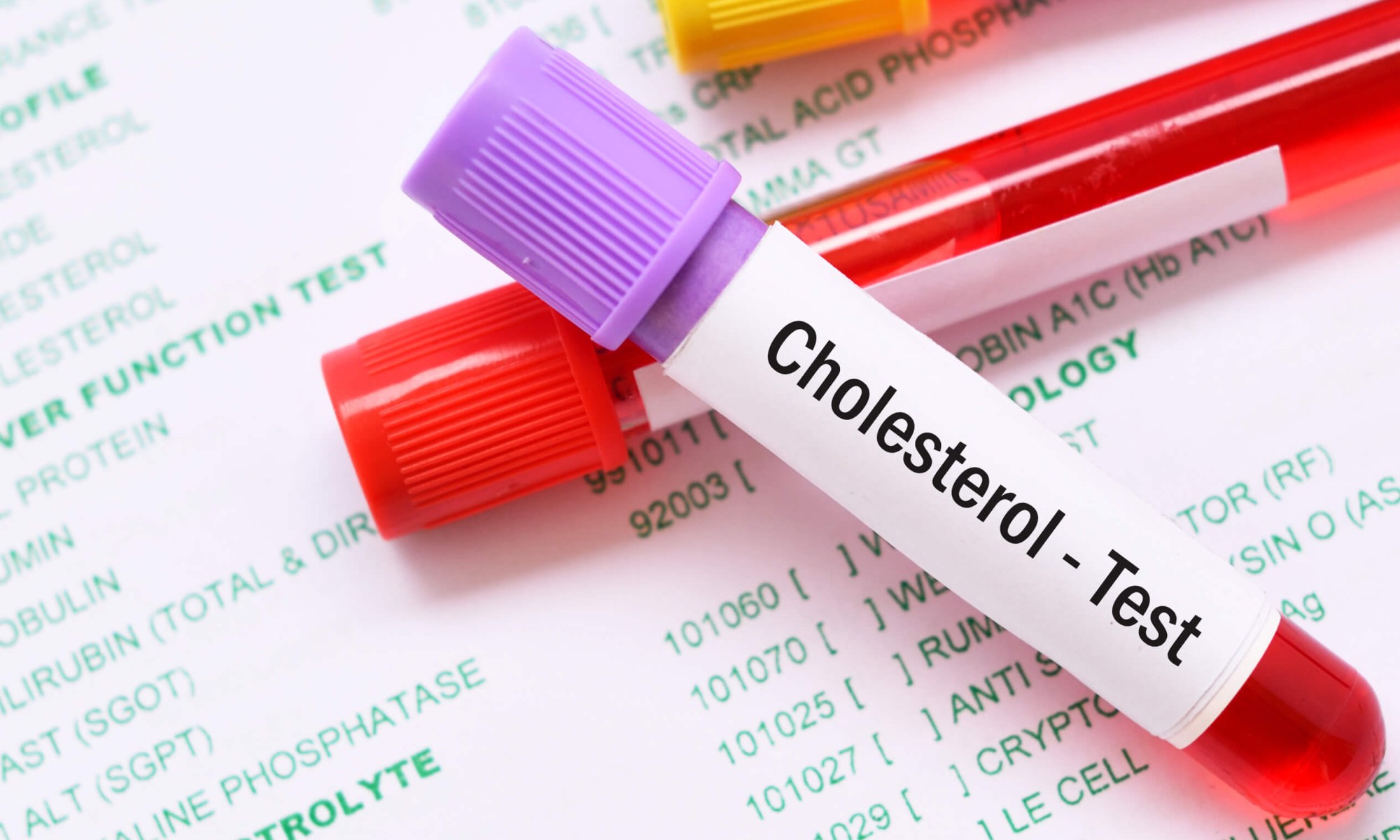
Keto and cholesterol testing


Cholesterol is essential for a healthily functioning body. It is also largely produced by the body itself and therefor humans cannot live without it. For people with an unfavourable cholesterol profile caused by their previous high carbohydrate and processed foods diet, the transition to a keto lifestyle will usually result in what is considered to be a good cholesterol profile. So that is good news! However, it can occur that your cholesterol profile will show up unfavourable with testing after starting a keto lifestyle. I will explain below why this may be the case and if this is cause for concern.

Cholesterol levels are tested in order to assess the risks of cardiovascular disease. It is a fairly standard test that your doctor will request for you. However, testing is only useful after at least six to eight months of continuously following a ketogenic lifestyle and/or when you have reached your goal weight.

An increase in the levels often occurs during that period, especially if you lose a lot of weight quickly. This makes testing during that time rather pointless. If you have not consistently maintained your lifestyle during that period you will also not get reliable results.

Make sure that your doctor always gives you the results of all levels: HDL, LDL, triglycerides and total cholesterol. Total cholesterol alone or LDL alone mean nothing; you need all the test results to calculate the ratios and to see whether your cholesterol has improved or not.

What do the cholesterol levels mean?

Total cholesterol

Your total cholesterol doesn’t tell you anything about your risk of cardiovascular disease. Not even if your total cholesterol has increased or decreased. To be able to say anything about this risk, you need more data: the HDL, LDL and triglycerides levels. It is also important that you have the results of previous testing in order to be able to look at the progress and see whether the ratios have improved or deteriorated.

Triglycerides

High triglyceride levels are usually seen in people who eat a lot of carbohydrates and seed oils. This can say something about the inflammatory processes in the body. Lower values of triglycerides are always better and in most people these values also decrease rapidly when they start a ketogenic lifestyle. But again, these values alone do not tell you anything about the risk of cardiovascular disease.

HDL

HDL is also known as ‘the good cholesterol’: higher values are seen as better. But even these values do not say much on their own. Various studies again show that the ratios are the strongest predictors of cardiovascular disease.

LDL

Although the average result of a cholesterol test refers to one type of LDL, it is important to know there are in fact several types:

  • LDL with large healthy LDL particles (this is called lbLDL-p: large buoyant LDL particles)
  • LDL with small unhealthy LDL particles (this is called sdLDL-p: small dense LDL particles)

A standard LDL result never shows which type of LDL it concerns so the actual result tells you very little. Only further research into the number of LDL-particles can say more about the exact nature of the LDL. So make sure to ask your GP for further testing.

If you just started a ketogenic lifestyle this general LDL will temporarily increase. There are two reasons for this:

  • because you lose weight, LDL is released along with the fat;
  • the general increase is caused by an increase in the large healthy LDL particles and a decrease in the small unhealthy LDL particles.

Ratios are the best predictors

Studies show that certain ratios can best predict your risk of cardiovascular problems. These are:

Triglyceride/HDL
To calculate this ratio, divide the amount of triglycerides by the amount of HDL (make sure the values for both are the same: mg/dL for USA or mmol/litre internationally). The outcome of this ratio can be a good indication of the risk of cardiovascular disease.
A healthy ratio of triglyceride/HDL is lower than 2, it is even better if the ratio is lower than 1.

Total cholesterol/HDL
To calculate this ratio, divide the amount of total cholesterol by the amount of HDL (make sure the values for both are the same: mg/dL for the USA or mmol/litre internationally). According to research, this ratio can also predict the risk. The amount of LDL in this case does not matter.
A healthy ratio of total cholesterol/HDL is less than 5 but preferably less than 4.

If you prefer to use an online cholesterol ratio calculator, you can do so here:

Cholesterol ratio calculator

Fasting and cholesterol testing

Fasting can influence your test results. In general, longer fasts before a cholesterol test will usually result in lower triglycerides but higher levels for the other values. Shorter fasts in combination with regular daily keto meals may show higher triglycerides, but the other values may be improved. So this is a matter of experimenting.

What should you do if your doctor is worried about your cholesterol levels?

Many doctors still believe that a high fat diet has a negative influence on your cholesterol and therefore increases your risk of cardiovascular disease. They are also not (yet) aware of the growing research that shows that keto is much healthier and in fact reduces the risk of cardiovascular disease. In addition, they only look at total cholesterol, or only at LDL, and not at the ratios.

It is important that you discuss with your doctor how you follow the ketogenic lifestyle. If possible refer your doctor to the right information sources about keto and also provide information about current insights about cholesterol. Of course, this is only possible if your doctor is open to it.

If you have tested too early, so less than 6 months after starting a continuous keto lifestyle, then suggest repeating the test after three and again after six months. This is the only way to assess the actual progress.

Additional tests

If your doctor is still worried, for example because your LDL has increased, and even insists you start medication, you can first ask for more testing. ApoA, ApoB and Lp(a) determination are the tests to ask for. In addition, it is also important to have your doctor exclude other factors such as thyroid function issues and the congenital abnormality familial hypercholesterolemia (FH).

The only reliable way to have the condition of your bloodvessels evaluated is the CAC scan (Coronary CT calcium scan), and not the cholesterol test. Again, you can ask your doctor for a referal to have this scan done or you can have it done privately.

Take your own precautions

If you yourself continue to have concerns, you can make a number of changes to your ketogenic lifestyle:

  • stop consuming keto coffee and fat bombs;
  • replace some of the saturated fats with mono-unsaturated fats: cook with olive oil instead of butter. Also eat some more nuts and avocado;
  • eat fatty fish with a high omega-3 fatty acid content at least once a week. If you cannot or do not want to eat fish, supplement with fish oil;
  • always make sure to get enough exercise, good sleep and try to reduce stress;
  • get tested for possible vitamin- and mineral deficiencies; most people have a vitamin D3 deficiency for example;
  • consider supplementing with ubiquinone or ubiquinol (the second form if you are over 40); note: vitamin K2 is always advised to supplement along with it;
  • a red yeast rice supplement can also be useful; always combine this with Q10.

For a good explanation on how cholesterol works and what to look out for I recommend the book Cholesterol Clarity by Moore/Westman

Other links

https://www.dietdoctor.com/low-carb/cholesterol-basics
https://www.tandfonline.com/doi/full/10.1080/17512433.2018.1519391
https://cholesterolcode.com

Dr Paul Mason
Dr Ken Berry

Are you still worried about your cholesterol, do you have more questions or would you like support for your keto lifestyle? Contact me today and we can discuss your options.


What is your keto motivation?

Take the poll: what is your motivation to start a ketogenic lifestyle?

Before an intake with my clients, I always ask in detail about their motivation to start keto. The four I mention in the poll below are the most obvious ones of course and they always keep coming up.

But I often hear very different reasons that only come up after talking more in depth. Very personal ones like ‘I was bullied in my childhood and now I want to get rid of my bad self-image’. Or ‘I’ve been trying to get pregnant for a long time but it just isn’t happening and I think a healthier lifestyle is going to help me with that’. But also ‘I want to set a good example for my family, they are not healthy, just like me, and someone has to take the lead or things will go wrong’.

Lifestyle is about more than just weight, or that medication you want to get rid of. These are certainly very important reasons, but those nuances…those make the journey to good health really personal.


Do you need personal coaching? Contact me here: